KITCHEN WASTE TREATMENT EQUIPMENT

Food Waste Treatment Equipment Manufacturer
Package Plants & Solutions for 1 – 100 t/d

From 1 t/d compact integrated units to 100 t/d whole-plant EPC lines — both new plants and retrofits. How much does the equipment cost, what is the treatment cost, how to choose the process, how to handle wastewater and odor, and how much can the recovered oil earn — all answered below.

Whole-plant EPC Turnkey Plant Retrofit & Upgrade Free Process Proposal Nationwide On-site Support
View Process Solutions Call Us
Quotations and equipment lists are confidential commercial materials and require an authorization code. Pay online or leave your phone and daily capacity to obtain one.
Quick Estimator Drag slider 1–100 t/d
—
—
Estimated Investment — 10k CNY
Full-configuration estimate · auxiliary equipment at market rates
Annual Oil Output—
Annual Oil Revenue—
1 t255075100 t
20 t/d
Crude oil 7250 CNY/t · oil yield 8% · 330 operating days/year · Final quotation per technical proposal
How to Estimate Capacity
10,000 people ≈ 1 t/d
Quick conversion from local population — see calculator below
Cost per Tonne
≈ 160–200 CNY/t
Including labor, power and heat energy
Can Waste Oil Be Sold?
Self-sold or collected by us
Revenue estimated at 7250 CNY/t reference price
FAQ & TOOLS

FAQ & Tools

The questions customers ask most often about kitchen waste projects, with ready-to-use answers; paired with a throughput calculator and a must-ask inquiry checklist.

Daily UpdatesOne new Q&A daily by enquiry volume · 31 total

QWhat is the principle of food waste oil-water separation?NEW

It uses the density difference among oil, water and solids: coarse separation first, then fine. In engineering, a horizontal decanter centrifuge is commonly used for three-phase separation, splitting crude oil, aqueous phase and solids. Crude oil sells best with low water and impurities, so the fine-separation parameters and heating temperature are critical.

QWhat types of food waste dewatering equipment are there?NEW

Common ones are screw extrusion, decanter centrifugal, and press dewatering. Food waste is oily and slurry-rich, so screw extrusion combined with centrifugal is typical; cake moisture can be held around 60%, cutting downstream cooking energy.

QHow to choose crushing & sorting equipment?NEW

It mainly depends on the impurity content. Feedstock with lots of plastic bags, cutlery and bottle caps needs a model with automatic reject and hard-object ejection, or knives and slurry pumps will break frequently. When sorting accuracy is insufficient, add a manual sorting pass rather than pushing the machine.

QWhat does food waste pretreatment equipment include?NEW

Usually the whole front end: receiving hopper, screw conveying, crushing & sorting, grit removal, extrusion dewatering, and oil-water separation. How well the front end is done directly determines whether downstream centrifuges run stably and the oil yield.

QWhat is the difference between skid-mounted and containerized equipment?NEW

A skid unit is fixed on a steel base and runs once lifted into place; a containerized unit sits in a standard ISO container and is movable, can sit outdoors, and is easy to relocate. Both suit tight or temporary sites; the difference is mainly protection rating and transport convenience.

QWhich scenarios suit integrated food waste units?NEW

Suitable for single-point sources like canteens, hotels, malls and service areas at 0.5–5 t/d, reducing volume on-site by dewatering and cutting transport frequency and cost. Larger sources should add oil-water separation and deodorization to avoid odor escaping.

QAre integrated food waste units actually good?NEW

Integrated units suit small/medium tonnages and tight sites: fast installation, small footprint, easy relocation. Downsides are limited expandability and small internal maintenance space. Above 30 t/d we recommend a modular line, which is easier to maintain and expand.

QWhat is the difference between small and large food waste units?NEW

The difference is not size but automation, continuous-running capability and oil-recovery efficiency. Small units run in batches and rely on operators; large lines run continuously and demand far more from wear resistance, anti-clogging, grit removal and electrical reliability, so material standards and spare-parts strategies also differ.

View all 31 Q&A →

Pricing & Models5 Q&A

QHow much does this food waste treatment equipment set cost?

The price depends on daily capacity. First confirm a number: roughly how many tonnes of food waste do you process per day? Local population also works (10,000 people ≈ 1 t/d). Once the tonnage is confirmed, I will immediately give you the matching equipment list and quotation.

QWhy is the 100 t/d scheme quoted lower than the 50 t/d one?

Because the "owner-supplied scope" differs between the two — the price only covers what we supply. The 100 t/d pretreatment & carbon-source scheme has 36 line items, of which 17 (high-temp grit tank, steam generator, PLC control, deodorization, instruments, piping & valves, etc.) are owner-supplied and excluded from the price, so the total looks low; the 50 t/d sorting & oil-recovery scheme has all 42 items supplied and priced by us, so the total is naturally higher. The price only reflects our supply scope, not the total project investment. To compare total investment, include the owner-supplied items, or ask us for a complete configuration list that includes them.

QHow much food waste can my county / district collect per day? How big a plant do we need?

As a rule of thumb, 10,000 people produce 1 t/d. For example, 300,000 people ≈ 30 t/d. Actual collectable volume depends on local collection coverage and the number of catering outlets; we will verify with the urban-management bureau collection records before fixing the final scale.

QIs there a smaller, lower-budget option?

Yes. For 1–3 t/d we can build a simple integrated solid-liquid separation unit at 92,000 CNY total, suited to bin collection and county-level start-up projects. For 5–10 t/d, the sorting & oil-recovery configuration is 445,000 CNY.

QIs the equipment the same for kitchen waste and food waste?

The equipment is similar but the processes differ and must be distinguished. Food waste (restaurant/canteen leftovers) is high in water and oil, with the focus on sorting and oil recovery; kitchen waste (residual waste from residential sorting) has more impurities and lower moisture, requiring different front-end sorting and dewatering. Tell us the feedstock source clearly and we will configure the matching process.

Outputs6 Q&A

QHow is the sorted organic matter handled?

There are several routes: make organic fertilizer, breed black soldier fly (BSF) for insect feed, run anaerobic digestion for larger tonnages, or send it with the inorganic residue for landfill, incineration or sale. Which do you prefer? We work backwards from the output to size the equipment and workshop.

QWhat happens to the inorganic matter and impurities?

Inorganics (plastic bags, cutlery, glass, metal) are collected separately after sorting and dewatering, then sent for offsite disposal, incineration or landfill. This is clearly defined as a supply boundary in the scheme.

QCan the separated waste oil be sold? Whose is it?

Yes. You can sell the oil yourself, or we can help collect it; the government does not regulate it. Based on 230,000 people, about 1.84 t of oil per day; at 6,000 CNY/t that is 11,040 CNY/day, which usually covers a large part of operating cost.

QHow is wastewater treated? I have no wastewater plant here.

There are several discharge routes: (1) treat on site to discharge standard; (2) hand to the incinerator or landfill, which have leachate treatment; (3) hand to the municipal WWTP; (4) sell as carbon source to a WWTP. If there is no local WWTP, we will design the wastewater treatment unit separately and include it in the supply scope.

QWill the odor affect the neighborhood?

Odor passes through deodorization equipment and is discharged to standard. The deodorization system (biofilter / scrubber etc.) can be standard or listed separately in the quotation, depending on your requirements.

QI want to breed black soldier fly — how should the equipment be configured?

Yes. The BSF route uses the sorted organic solid slurry for breeding, or blends it with straw powder into insect feed. The scheme configures pretreatment and breeding rooms separately. Tell us how much fresh/dried insect you plan to produce and we will design by tonnage.

Costs & Revenue3 Q&A

QRoughly how much does treatment cost per tonne?

Based on industry experience, treatment cost is about 160–200 CNY/t. This depends heavily on tonnage, labor, power and heat source; we will break it down for you in the formal proposal.

QRoughly what is the investment? Does it fit our budget?

Tell us your budget range (in 10k CNY). We have ready configurations from the 92,000 CNY compact unit up to medium/large lines at 445k, 1.12M, 3.699M and 4.675M CNY, so we can select within your budget band.

QHow long is the payback period?

Payback depends on three things: the government waste-treatment fee (CNY/t), grease sales revenue, and compost/insect-feed sales. Tell us the local treatment fee and oil purchase price and we can work out the numbers together.

Licensing & Policy2 Q&A

QWhat approvals are needed?

First, we recommend securing the exclusive concession — i.e. confirming whether the government concession (e.g. the food-waste resource-recovery license issued by the urban bureau) is already in hand. With the concession, collection channels and subsidies are much easier to secure.

QWe do not have the license yet — can we install equipment first?

We recommend confirming the operating model first: self-operated, contracted, or other. Installing equipment before the license is settled makes collection volume hard to guarantee. We can issue the scheme and investment estimate first and help you prepare the project approval and concession materials.

Transport & Installation3 Q&A

QWe collect by bins — will it work?

Yes. 120–240 L bin collection corresponds to ~0.1–5 t/d integrated units. The key for bin collection is the feed method (lift specification) and truck tonnage; once those are confirmed, the pulper selection is fixed.

QDo you handle installation? What must we prepare on site?

The price includes installation and commissioning guidance; installation is listed line-by-line in the equipment list to avoid double counting. On site we need: control cabinet location and total power, heat source (steam / biomass boiler), piping & valves, instruments, platforms, ladders and guardrails — the list marks who supplies each.

QIs the price tax-inclusive and does it include freight?

Terms differ by scheme: the 1–3 t scheme at 92,000 CNY excludes tax and freight; the 50 t scheme at 3,699,000 CNY includes tax, excludes freight, and includes installation, commissioning and 3 days of training. The tax and freight terms are written out clearly on the formal quotation.

23.00Daily capacity (t/d)
1.84Daily oil output (t)
13,340Daily oil revenue (CNY)
440.2Annual oil revenue (10k CNY / 330 d)
Note: 10,000 people = 1 t/d. Oil yield and oil price are reference values (Hunan/Hubei ≈ 8%, Jiangsu ≈ 2%, Sichuan/Chongqing up to 12%); final sizing uses local collection records and lab data. Waste treatment fee is estimated separately at 160–200 CNY/t.

Must-Ask Inquiry Checklist

After a customer adds WeChat / calls, ask these 7 items to issue a process proposal and quotation directly.

1

Project basics

  • Project location (province / city / county — determines logistics and policy)
  • Project type: new build / retrofit / expansion
  • Expected commissioning date
2

Capacity & operating model

  • Expected daily tonnage (t/d), or city population (10,000 people ≈ 1 t/d)
  • Whether a government concession (special license for food-waste resource recovery) is already held
  • Operating model: self-operated / contracted / other
3

Required outputs

  • Organic matter: compost / BSF feed / anaerobic digestion for large plants / landfill, incineration or sale with inorganic residue
  • Inorganic matter: offsite disposal or incineration / landfill
  • Separated waste oil: sold externally
  • Wastewater: treat on site to discharge standard / hand to incinerator or landfill (they have leachate treatment) / hand to municipal WWTP / sell as carbon source
  • Confirm whether a WWTP exists on site and where the wastewater finally goes
  • Whether black soldier fly will be bred, or straw powder blended into insect feed
4

Collection & transport

  • Truck collection: truck size determines pulper sizing
  • 120–240 L bin collection → corresponds to ~0.1–5 t/d integrated units
5

Treatment cost

  • Roughly 160–200 CNY per tonne
6

Equipment & transport requirements

  • Current collection: truck / bins
  • Bin size (if applicable): 120L / 240L / other
  • Whether an integrated unit is required
  • Required pulper throughput (t/h)
7

Economics

  • Acceptable treatment cost: 160–200 CNY/t / above 200 / other
  • Equipment budget: yes (~____ 10k CNY) / no
※ Kitchen waste and food waste equipment are similar but the processes differ — they must be distinguished.
※ Recovered oil can be sold by the customer or collected by us; the government does not regulate this.
※ Odor is treated by deodorization equipment and discharged to standard.

Throughput Calculation

Population ↔ tonnage ↔ oil output ↔ revenue — the conversion chain to show customers.

1

Population → tonnage (basic)

  • 10,000 people = 1 t/d
  • 1,000 people = 100 kg/d
  • 500 people = 50 kg/d
  • Reverse: 10 t/d ≈ 100k people; 50 t/d ≈ 500k; 100 t/d ≈ 1,000k
2

Oil output & revenue (example)

  • 230k urban population → 23 t/d waste
  • At 8% oil yield → 1.84 t oil
  • At 6,000 CNY/t → 1.84 × 6000 = 11,040 CNY/day
3

Regional oil-yield variation

  • Hunan / Hubei: use 8%
  • Jiangsu: about 2%
  • Sichuan / Chongqing: up to 12%
  • Oil output varies by region and local diet
※ Oil yield is an empirical value; final sizing uses local collection records and lab data.
※ Oil price floats with the market; confirm the current purchase price before quoting.
PRODUCT CENTER

Product Center

Four treatment technology lines covering 10–1000 t/d for food waste, kitchen waste, fruit/vegetable waste and gutter oil projects; 27 equipment series in total, from bag-opening & sorting, pulping & grit removal to pressing & dewatering, oil-water separation and fermentation & deodorization, all self-manufactured. Switch lines to see the full process flow, key technologies (with patent numbers) and matching equipment; click the process diagram to zoom.

4Treatment Technology Lines
10–1000t/d Capacity Range
27Equipment Series
17+Patented Technologies
Food Waste Treatment Technology · Full Process Flow Diagram

Food Waste Treatment Technology

Food Waste Treatment Technology
For 30–1000 t/d Hotels · restaurants · canteens · universities · catering hubs

For food waste (swill) from hotels, restaurants, institutional canteens and universities. The feedstock is oily, wet and mixed with impurities. The main line is "pulping & sorting → sorting & spin-drying → grit & impurity removal → pressing & dewatering → three-phase separation": crude grease is recovered first, the liquid phase goes to anaerobic digestion for biogas, the solid phase to aerobic composting, and odor and wastewater are treated to discharge standard simultaneously — achieving volume reduction, harmless treatment and resource recovery.

Key Technologies
  • Sorting & crushing technologyPatent No. 201922286046.5 / 201922285079.8
  • Hydraulic pulping & sorting technologyPatent No. 201922286056.9
  • Pressing & dewatering technologyPatent No. 201922285020.2
  • Oil-water separation technologyPatent No. 201922285079.8
  • Wastewater treatment technologyPatent No. 201822116514.0
  • Negative-pressure deodorization technologyPatent No. 202020034174.8
Process Flow
Food waste truck › Hydraulic pulping & sorting machine › Sorting & spin-drying machine › Buffer tank › Grit remover › Impurity separator › Organic matter squeezer › Heating tank › Three-phase separator › Anaerobic digester › Biogas to sales / power generation
Main Outputs
Crude grease (sold)Biogas · powerComposting feedstockInorganic residue (landfilled)Treated wastewater & carbon source
Core Equipment of This Line
Quote configuration & investment for "Food Waste Treatment Technology" →

Full Equipment Range

By function · click a card for details

Bag-opening, shredding and sorting of bagged food waste — the first gate of the whole line, directly determining downstream wear and stable operation.

Quote configuration & investment by daily capacity → Enter your tonnage to match a standard process scheme and view the line-item equipment list and investment estimate.
PROCESS SOLUTIONS

Process Solutions

Standard configurations from delivered projects, covering 1 – 100 t/d. Click any scheme to enter the quotation system and view the line-item equipment list, adjust configuration and estimate investment. Scheme details and pricing require an authorization code.

1–3 t/d Simple Solid-Liquid Separation

Range 1 – 3 t/d · 7 items
Bin feeding › Lift unloading › Press dewatering › Oil-water separation › Oil collection / residue offsite / wastewater collection
Process: Simple treatment
7 priced items
🔒 Equipment list & pricing require an authorization code
Open quotation system →

5–10 t/d Sorting & Oil Recovery

Range 5 – 10 t/d · 17 items
Bin weighing & lifting › Buffer screw › Shredding & sorting machine › Heating tank › Three-phase centrifuge › Oil tank › Wastewater collection
Process: Sorting & oil recovery
12 priced items · Includes 5 owner-supplied (unpriced) items
This scheme has 5 owner-supplied items excluded from the price, so the total looks lower than a fully-priced list — it does not mean the total project investment is lower.
🔒 Equipment list & pricing require an authorization code
Open quotation system →

10 t/d Pretreatment

Range 10 t/d · 15 items
Silo & buffer tank › Buffer dewatering screw › Pulping machine › Slurry pump › Heating tank › Three-phase separator › Oil tank
Process: Pretreatment
10 priced items · Includes 5 owner-supplied (unpriced) items
This scheme has 5 owner-supplied items excluded from the price, so the total looks lower than a fully-priced list — it does not mean the total project investment is lower.
🔒 Equipment list & pricing require an authorization code
Open quotation system →

20–50 t/d Pretreatment & Drying

Range 20 – 50 t/d · 34 items
Shredding › Sorting & dewatering › Fine screening › Pressing › High-temp cooking › Grit removal › Three-phase separation › Drying system
Process: Pretreatment & drying
34 priced items
🔒 Equipment list & pricing require an authorization code
Open quotation system →

50 t/d Sorting & Oil Recovery

Range 50 t/d · 42 items
Weighing & unloading › Pulping & sorting machine › Buffer tank › Pusher › Fine separator › Press dewatering › Heating tank › Grit removal › Three-phase separator › Oil tank
Process: Sorting & oil recovery
42 priced items
🔒 Equipment list & pricing require an authorization code
Open quotation system →

100 t/d Pretreatment & Carbon Source

Range 100 t/d · 36 items
Pulping & sorting › Buffer dewatering › Impurity dewatering › Buffer tank › Fine separation › High-temp cooking › Grit removal › Three-phase separation › Carbon source unit
Process: Pretreatment & carbon source
19 priced items · Includes 17 owner-supplied (unpriced) items
This scheme has 17 owner-supplied items excluded from the price, so the total looks lower than a fully-priced list — it does not mean the total project investment is lower.
🔒 Equipment list & pricing require an authorization code
Open quotation system →
VIDEO CASES

Video Cases

On-site footage: equipment shipping, running lines, plant retrofits, black soldier fly breeding lines. Click a cover to play (hosted on Bilibili, no bandwidth used here).
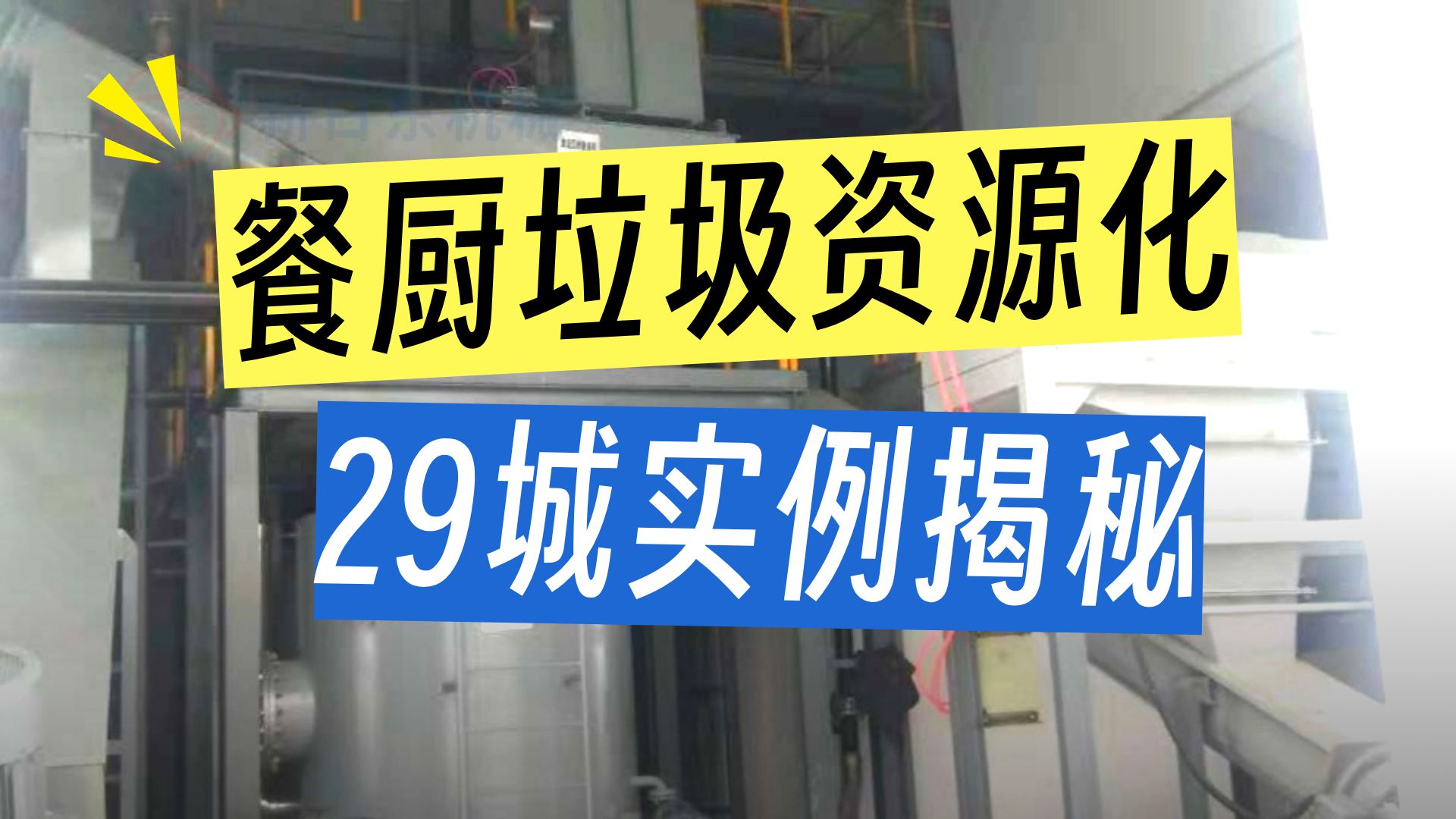
Food Waste Treatment Plant Cases Across China 00:46
Project Cases

Food Waste Treatment Plant Cases Across China

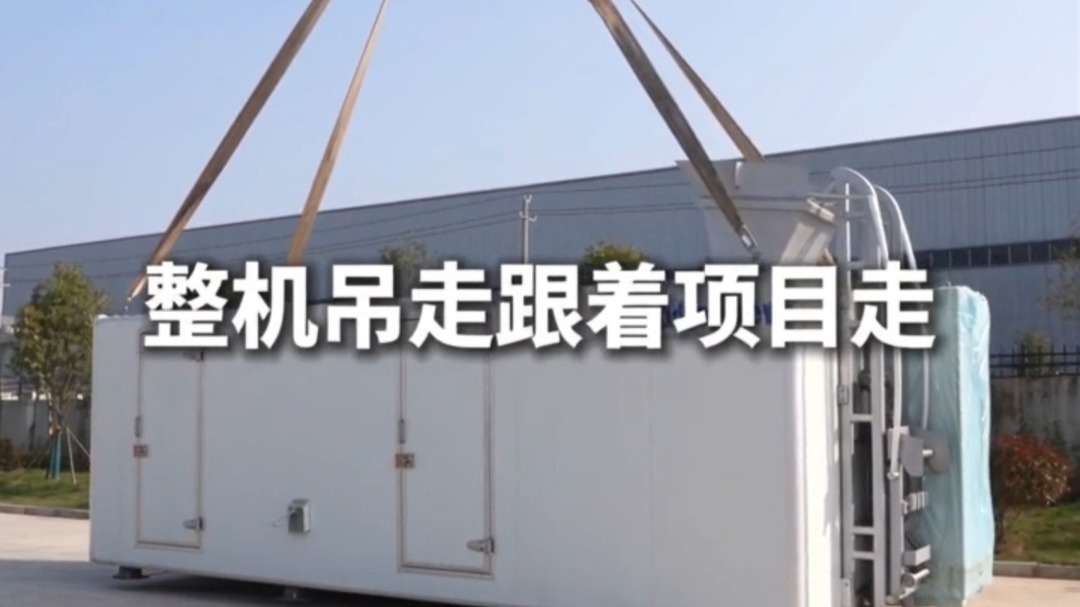
Skid-mounted Food Waste Treatment Unit 00:47
Skid Units

Skid-mounted Food Waste Treatment Unit

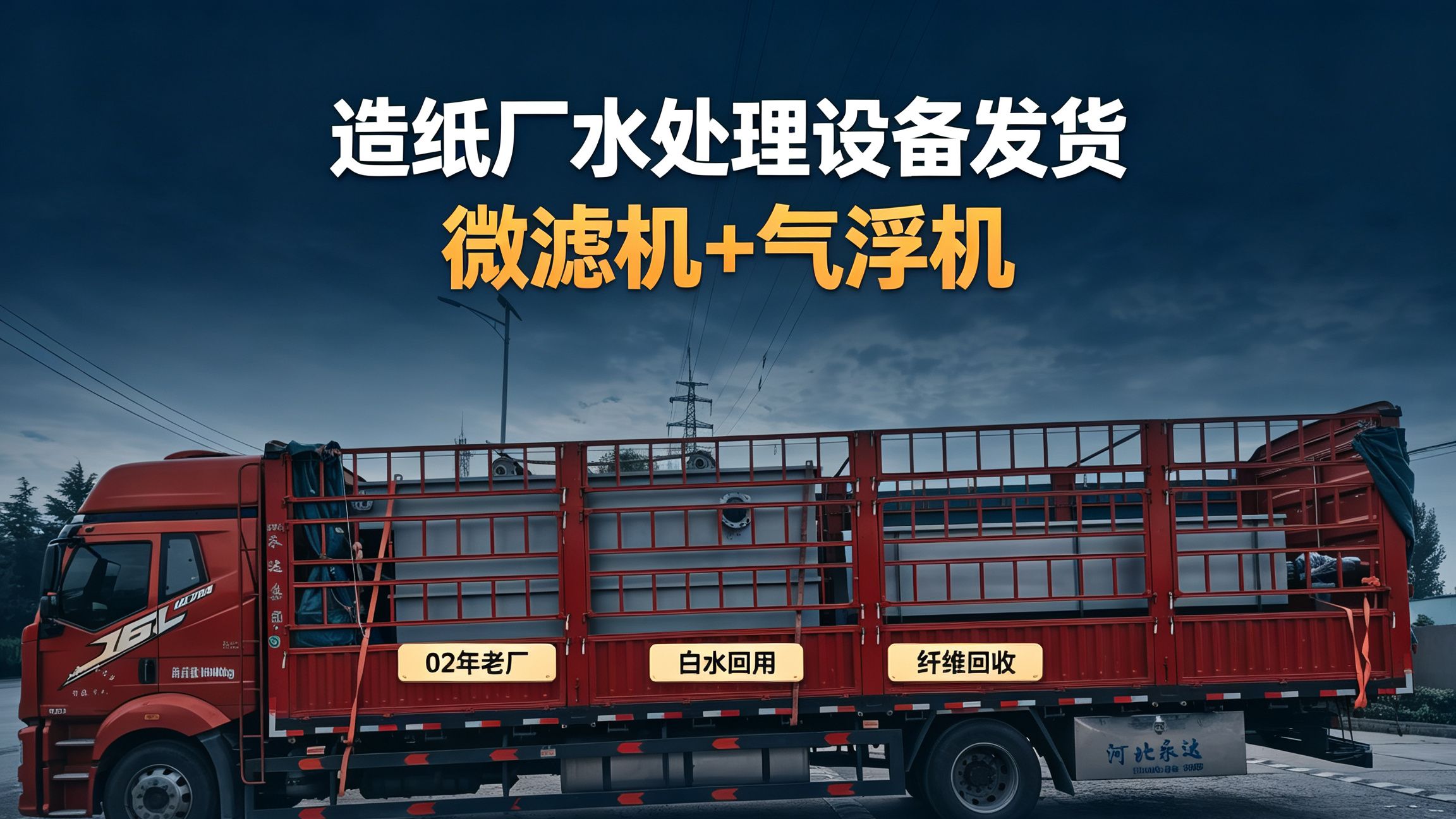
Paper Mill Wastewater Treatment Equipment Shipped 00:43
Paper-mill Wastewater

Paper Mill Wastewater Treatment Equipment Shipped

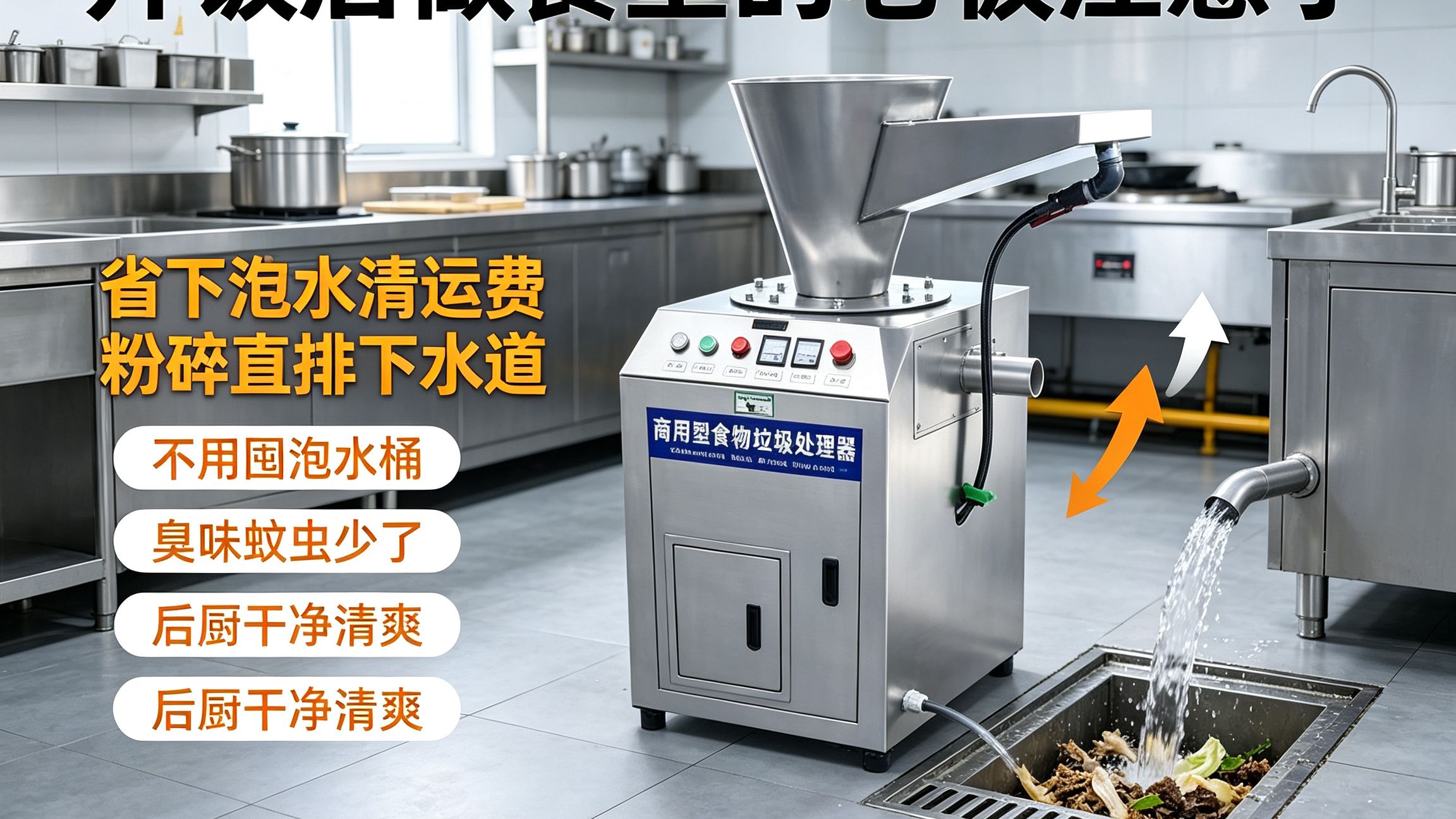
Small Food Waste Unit — Say Goodbye to High Swill Collection Fees 00:55
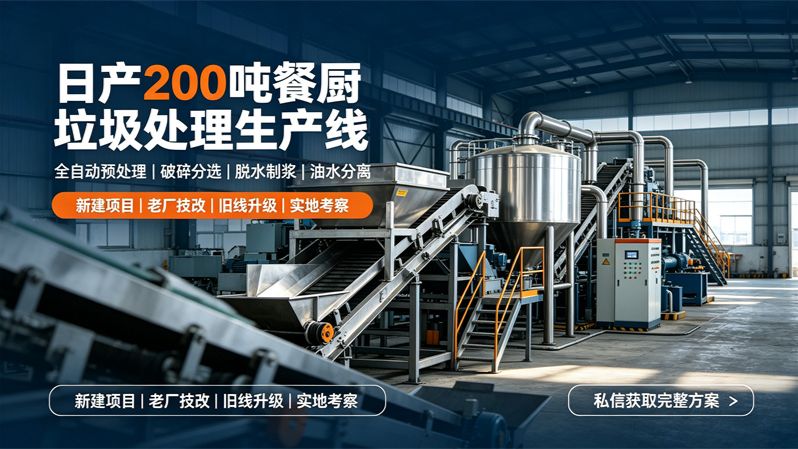
Food Waste Units

Small Food Waste Unit — Say Goodbye to High Swill Collection Fees

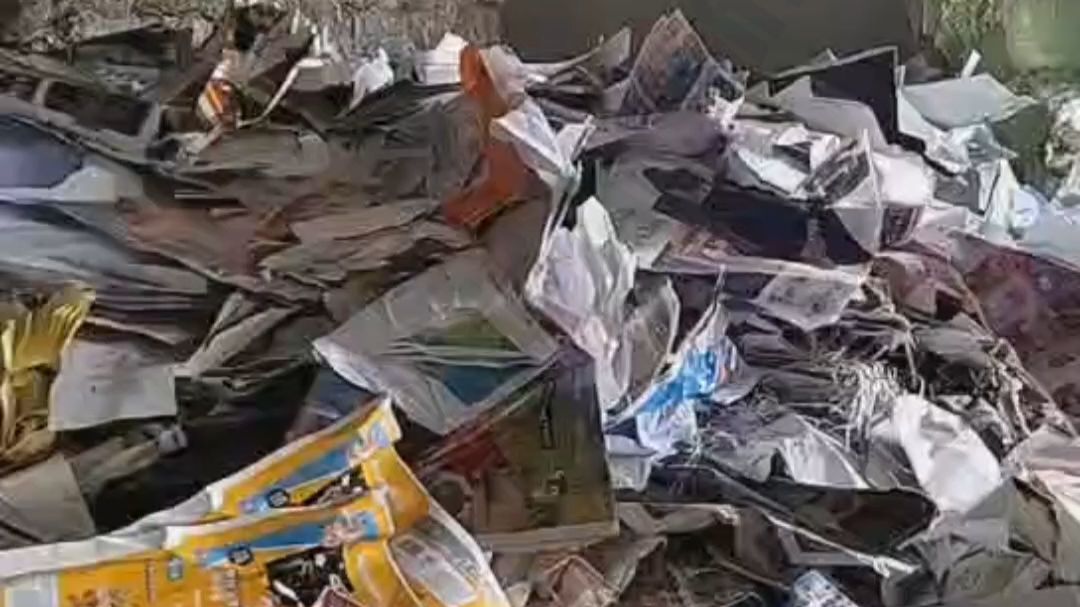
Fully Automatic Pretreatment Line — Crushing, Sorting, Dewatering, Oil-Water Separation & Retrofit 00:45
Plant Retrofits

Fully Automatic Pretreatment Line — Crushing, Sorting, Dewatering, Oil-Water Separation & Retrofit
Paper-making Equipment — Xinridong Machinery 02:18
Paper-mill Wastewater

Paper-making Equipment — Xinridong Machinery

How to Retrofit an Existing Food Waste Plant — 50 t/d Reference Project 01:42
Plant Retrofits

How to Retrofit an Existing Food Waste Plant — 50 t/d Reference Project

TV Crew on Site: Our Fully Automated Black Soldier Fly Line 00:58
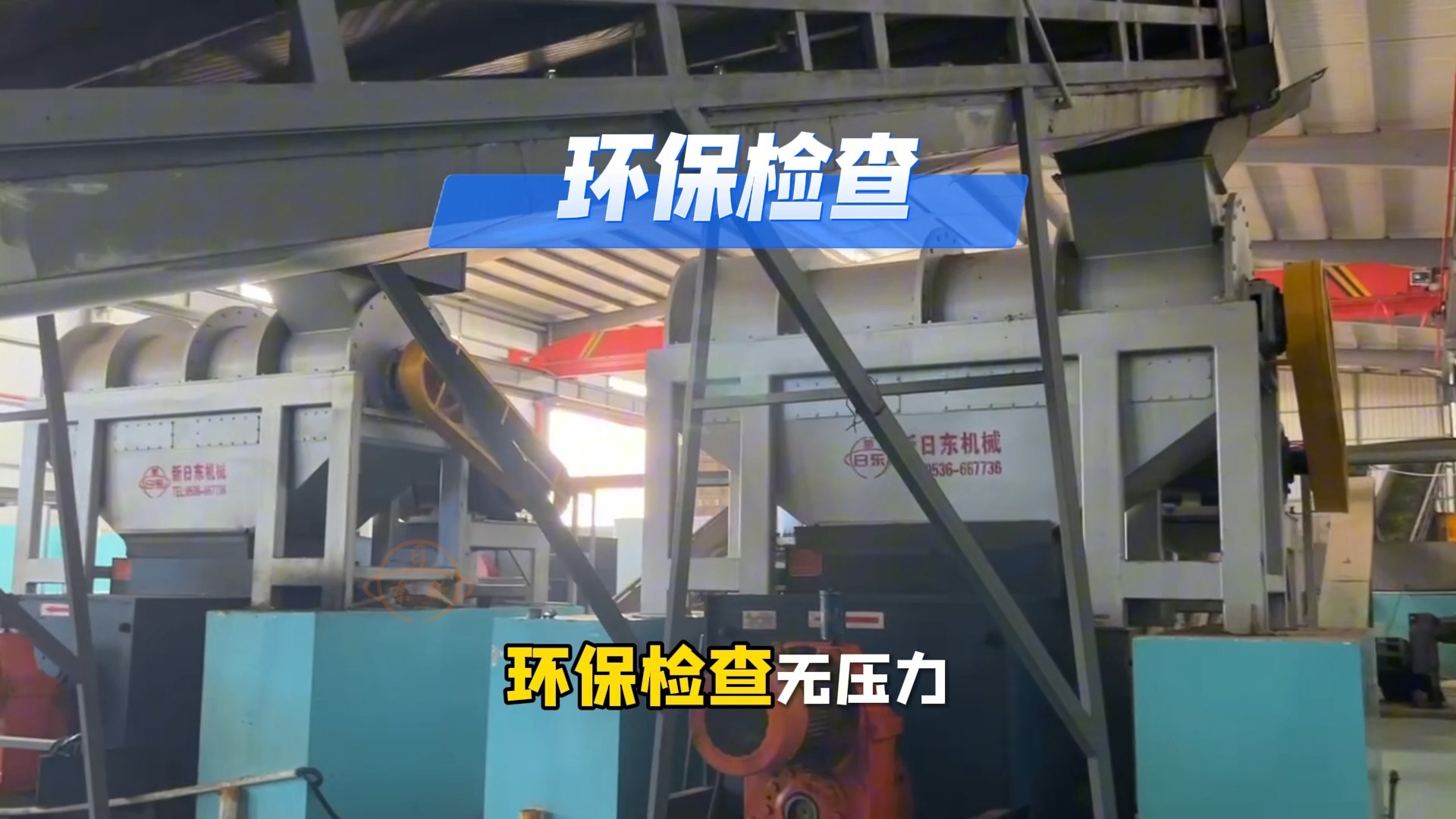
Black Soldier Fly

TV Crew on Site: Our Fully Automated Black Soldier Fly Line

Fruit/Vegetable Waste Process: Shredding & Sorting to Recover Organic Matter 01:16
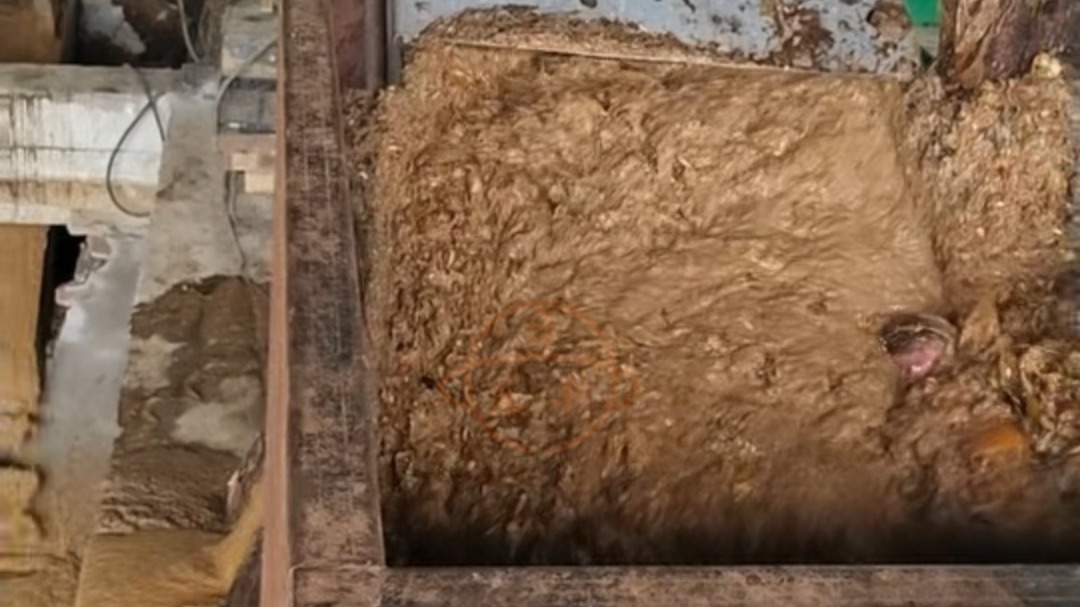
Produce Waste

Fruit/Vegetable Waste Process: Shredding & Sorting to Recover Organic Matter

Stop Hauling Waste Away — Turn Residue into Revenue with a Shredding & Sorting Machine 01:04
Pretreatment

Stop Hauling Waste Away — Turn Residue into Revenue with a Shredding & Sorting Machine
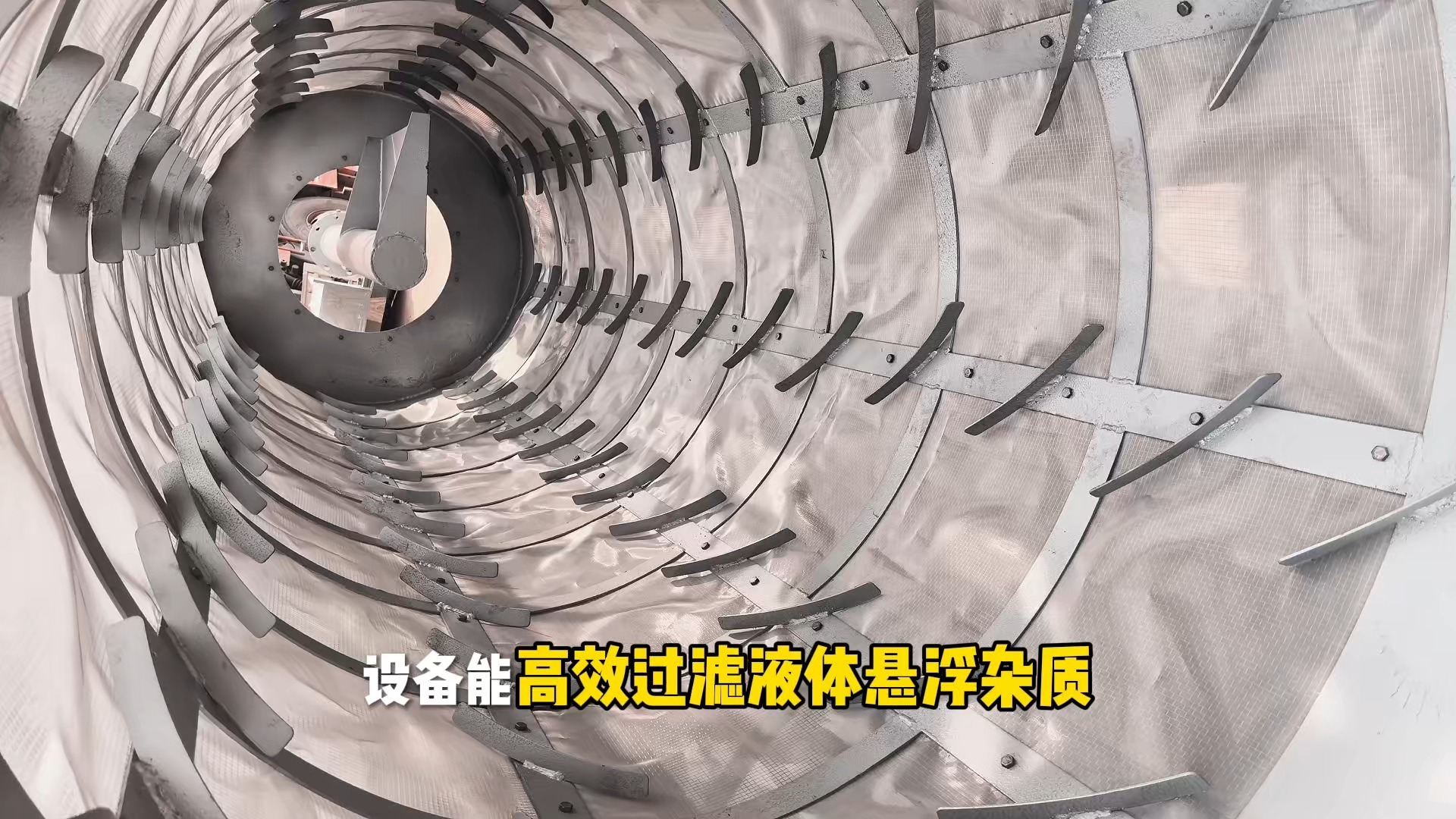
Custom Micro-filter Dispatched — Paper / Industrial Wastewater Filtration 00:26
Paper-mill Wastewater

Custom Micro-filter Dispatched — Paper / Industrial Wastewater Filtration
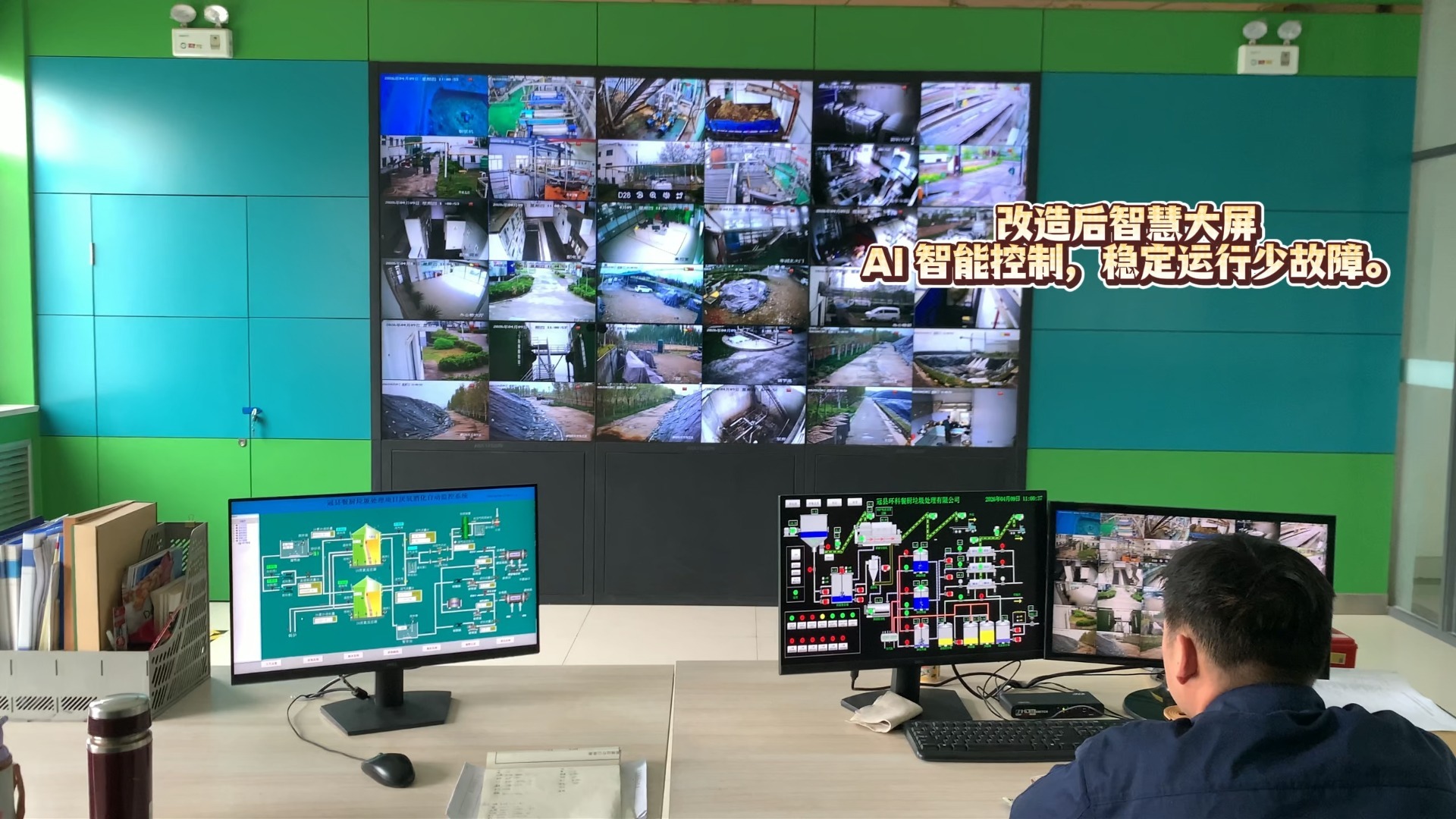
Plant Retrofit: +2 Million CNY/Year, Payback in 6 Months 00:40
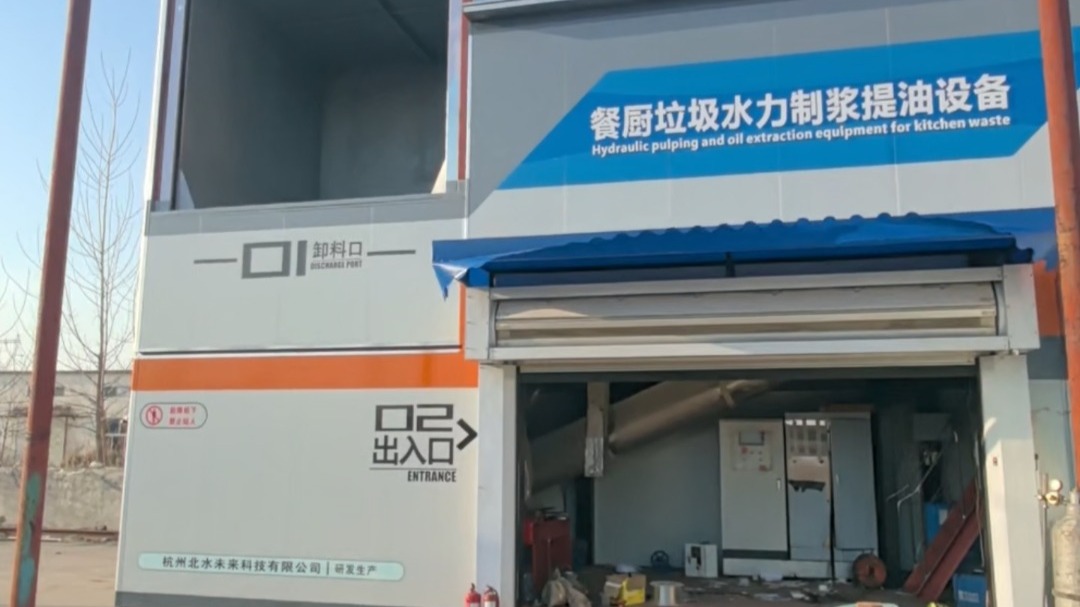
Plant Retrofits

Plant Retrofit: +2 Million CNY/Year, Payback in 6 Months

Skid-mounted Food Waste Treatment Unit 01:02
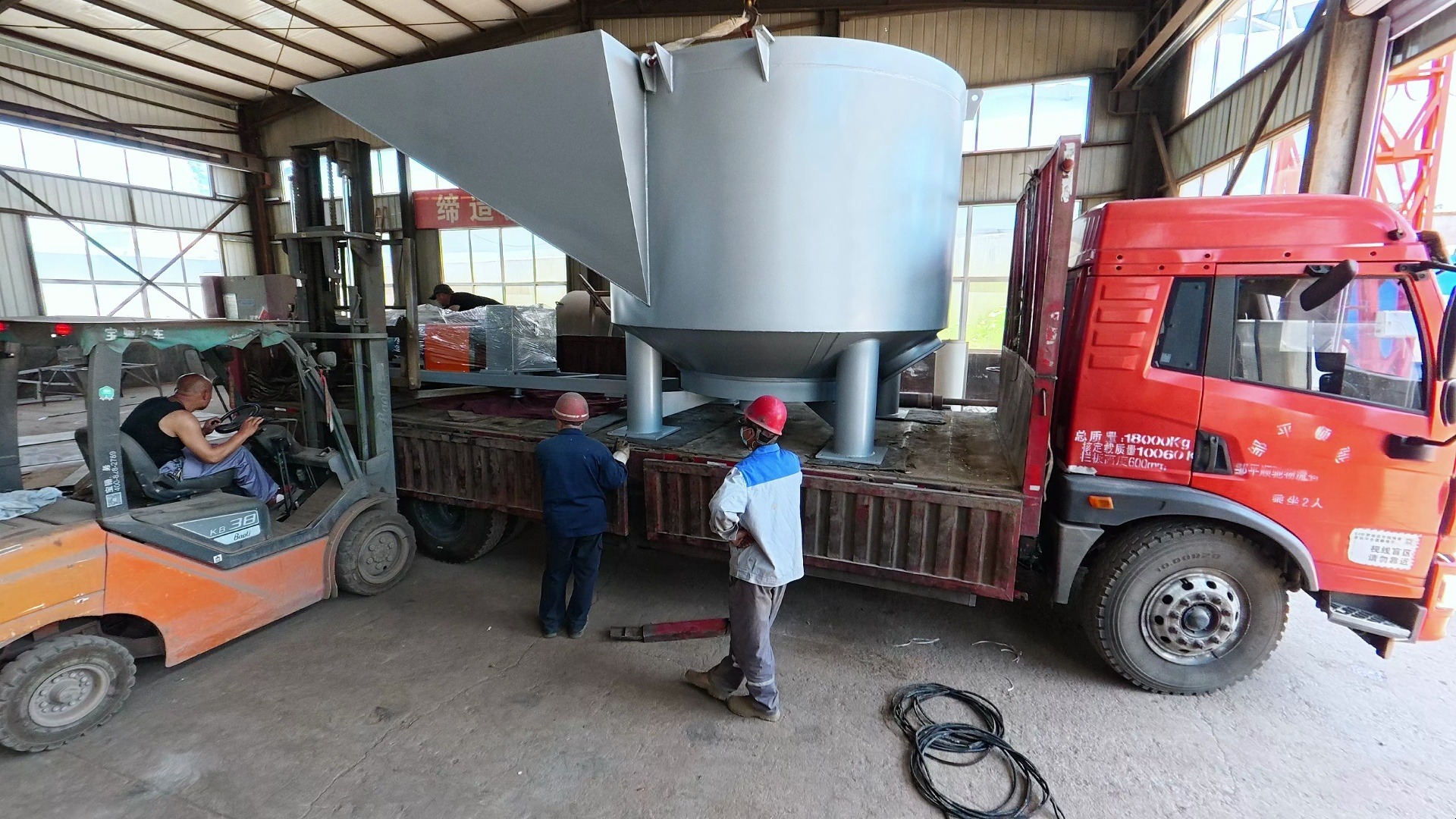
Skid Units

Skid-mounted Food Waste Treatment Unit

Upgrade Retrofit — New Intelligent Pulping Machine Shipped 00:46
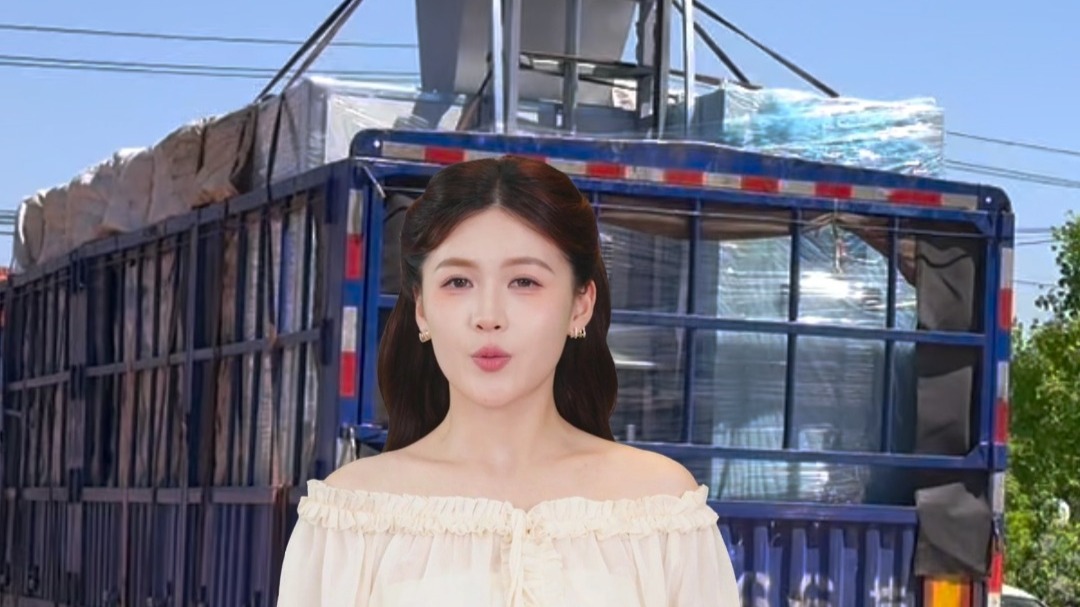
Plant Retrofits

Upgrade Retrofit — New Intelligent Pulping Machine Shipped

Intelligent Automated Food Waste Treatment Equipment 01:33
Food Waste Units

Intelligent Automated Food Waste Treatment Equipment

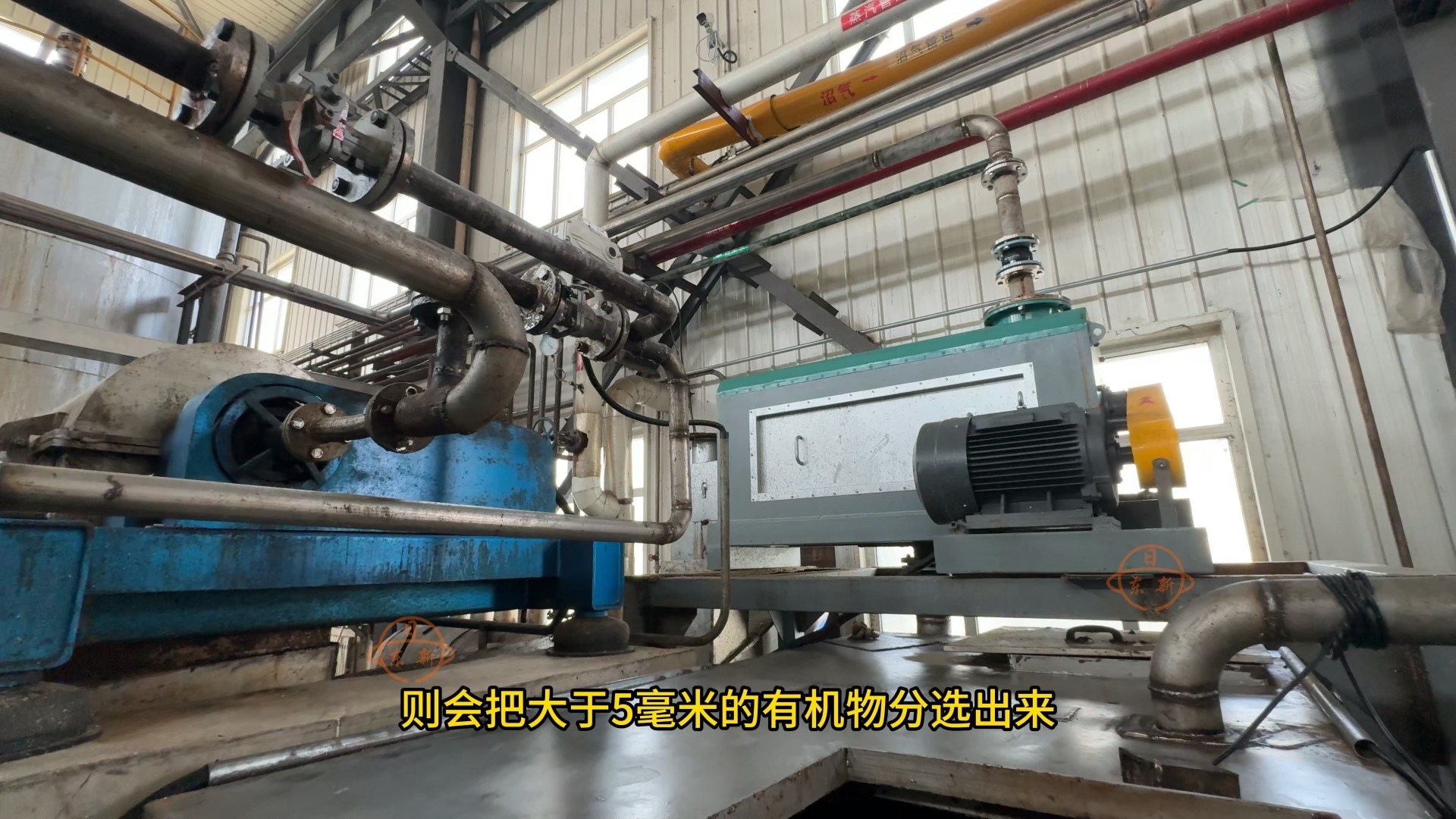
Shredding & Sorter — Raising Oil Yield in Plant Retrofit 01:58
Plant Retrofits

Shredding & Sorter — Raising Oil Yield in Plant Retrofit

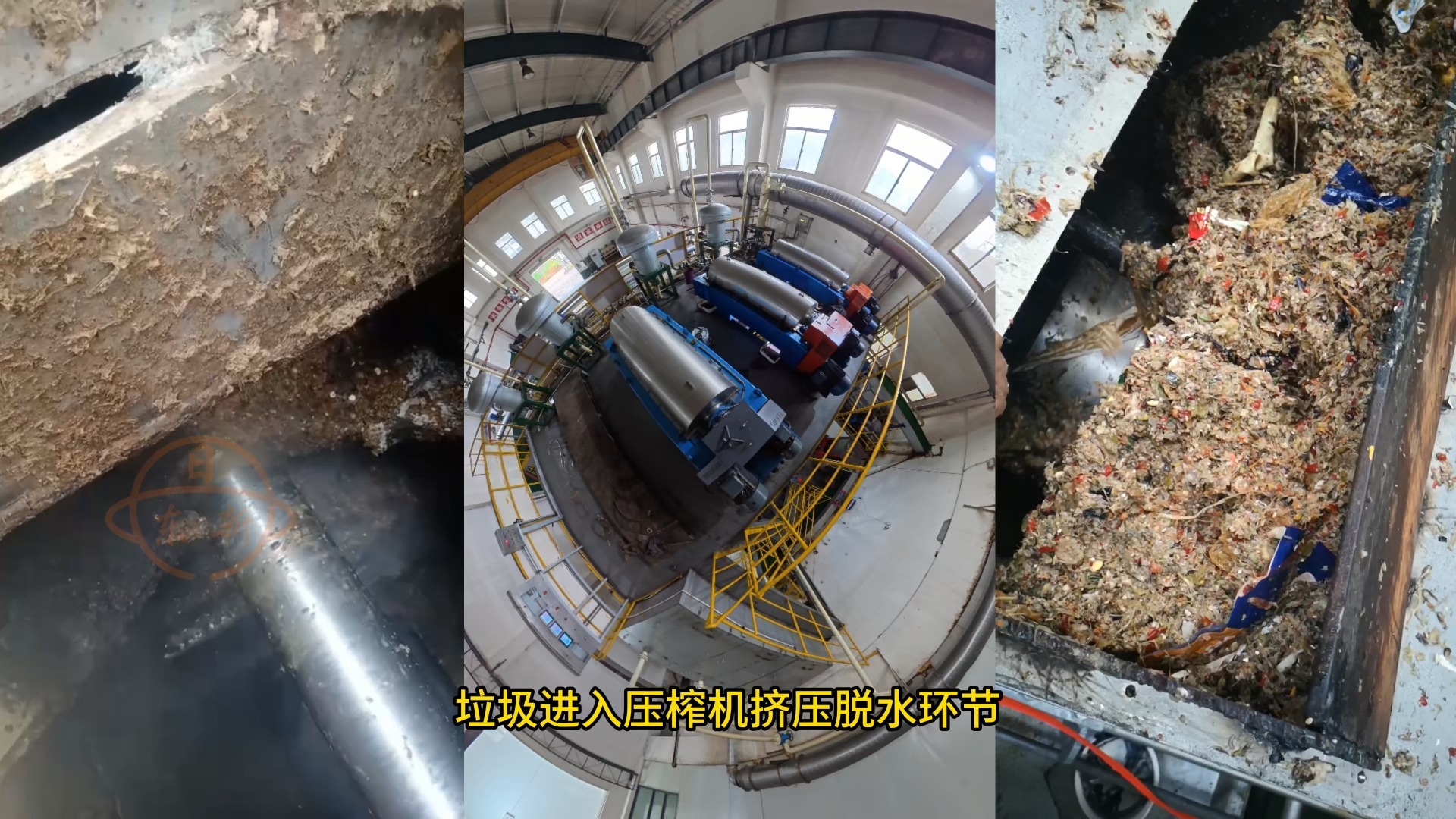
Food Waste Treatment Plant Upgrade & Retrofit 02:45
Plant Retrofits

Food Waste Treatment Plant Upgrade & Retrofit

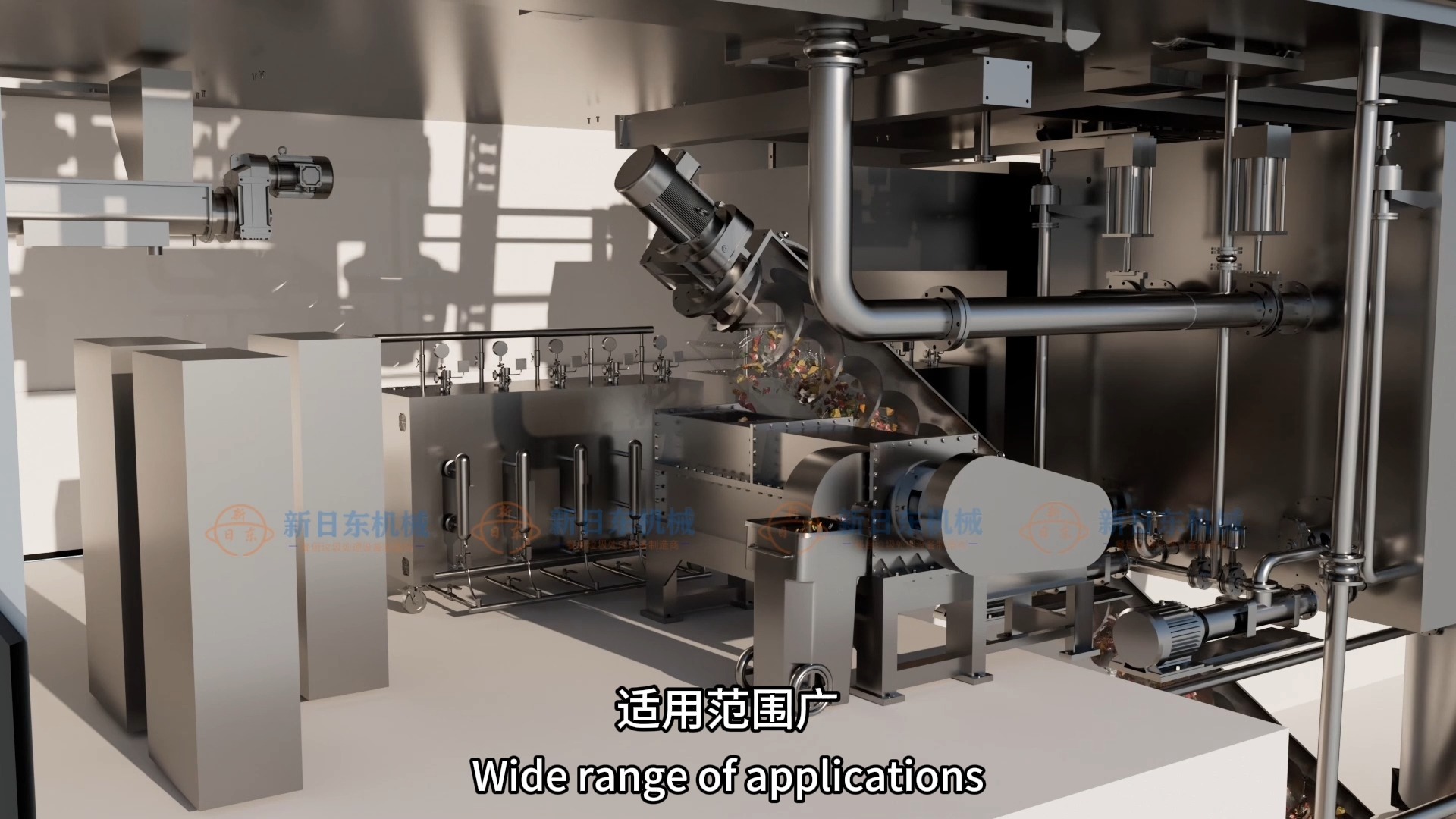
How Much to Build or Retrofit a Centralized Food Waste Plant? 01:33
Plant Retrofits

How Much to Build or Retrofit a Centralized Food Waste Plant?

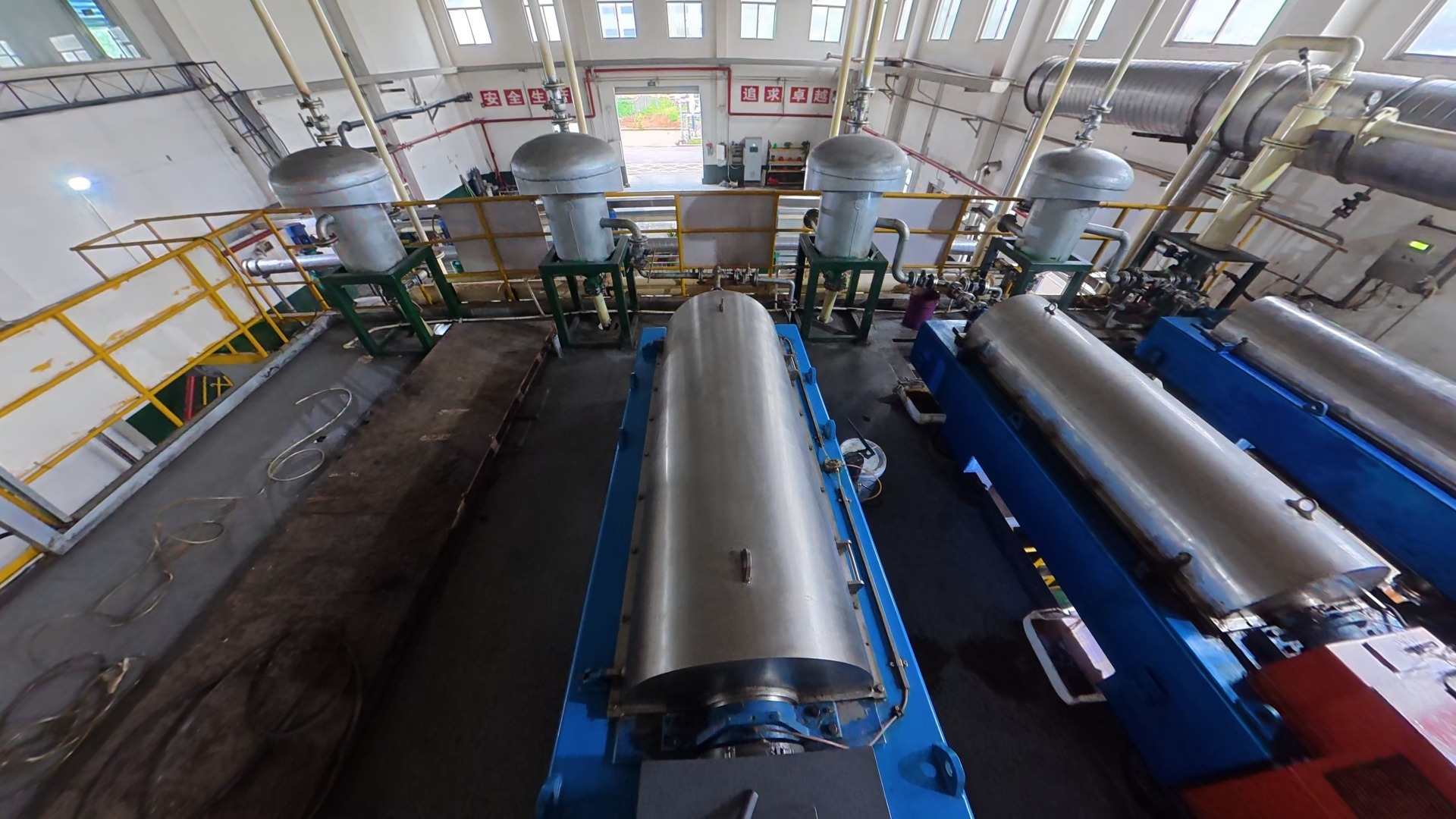
Skid-mounted Integrated Intelligent Food Waste Treatment Unit 02:08
Skid Units

Skid-mounted Integrated Intelligent Food Waste Treatment Unit

300 t/d Food Waste Plant Retrofit - Oil-Water-Solids Three-Phase Separation in Limited Space 01:16
Project Cases

300 t/d Food Waste Plant Retrofit - Oil-Water-Solids Three-Phase Separation in Limited Space

CONTACT

Want an equipment list and formal quotation?

The quotation system requires an authorization code. You can scan and pay 8 CNY to self-activate, or leave your phone and we will issue a code.

I already have a code, enter directly
Company
诸城市新日东机械厂 (Zhucheng Xinridong Machinery Factory)
Contact
Manager Guan
Phone
15064496759
WeChat
15064496759
Address
Zhucheng, Weifang, Shandong, China
Business
Food Waste Treatment Equipment / Whole-plant EPC / Retrofit & Upgrade